
June 16, 2026

Celebrity gamblers How fame influences risk-taking behavior
Fame often comes hand in hand with significant financial resources, which can lead celebrities to engage in high-stakes gambling. The allure of risking large sums of money can be intoxicating, as the thrill of winning can bring both notoriety and financial gain. In the glamorous world of high rollers, celebrities may find that the stakes they play for reflect their larger-than-life personas, often leading them to take risks that would seem unreasonable to the average person. For instance, the best PayID casinos allow for easy transactions, making it attractive for those looking to indulge in a payid australian casino experience.
Moreover, many celebrities see gambling as a form of entertainment that adds excitement to their lives. With the constant pressure of public scrutiny, a night at the casino can provide an escape. However, this thrill can also lead to reckless behavior, as winning and losing can become a rollercoaster of emotions. Celebrities, who often live in the spotlight, can sometimes feel the need to live extravagantly, which can further fuel their risk-taking behavior.
The desire to maintain or elevate their status often drives celebrities to gamble. They might believe that their fame grants them an edge, convincing themselves that luck is on their side. However, this belief can cloud their judgment and lead to poor financial decisions. As many high-profile gambling stories illustrate, even the most glamorous personalities are not immune to the pitfalls of irresponsible gambling, leading to a cautionary tale for both fans and aspiring gamblers alike.
In the celebrity world, social circles play a significant role in shaping behavior, especially when it comes to gambling. Celebrities often surround themselves with individuals who also engage in risk-taking behaviors, reinforcing their own tendencies. This social dynamic can create a culture where gambling is normalized, leading to a collective acceptance of high-risk activities that might otherwise be deemed reckless.
Additionally, the thrill of gambling can become a bonding experience for celebrities. Whether it’s attending exclusive poker games or trying their luck at a high-end casino, these experiences can strengthen relationships and provide a shared sense of excitement. However, the pressure to keep up with friends or peers can lead individuals to wager more than they can afford, potentially spiraling into harmful gambling habits.
The perception of success in celebrity culture can further heighten the risk-taking behaviors associated with gambling. As they compare themselves to their peers, celebrities may feel compelled to gamble large amounts to showcase their wealth and status. This phenomenon exemplifies the cyclical nature of peer influence, where one person’s gambling success can push others to take even greater risks in hopes of achieving the same glory.
Media plays a pivotal role in shaping public perception of celebrity gamblers. When high-profile personalities publicly announce their gambling wins or losses, they can inadvertently glamorize the risks associated with gambling. This coverage can create an impression that gambling is an acceptable or even desirable aspect of a glamorous lifestyle, potentially influencing fans to engage in similar behaviors.
Furthermore, the sensational stories of celebrities losing vast fortunes can be particularly impactful. The media often highlights the highs and lows of celebrity gamblers, creating a narrative that can either romanticize or vilify their actions. Such stories can lead to a skewed perception of gambling, where the risks are minimized and the allure is amplified, inviting fans to emulate these high-stakes behaviors without fully understanding the consequences.
The portrayal of gambling in popular culture can also serve to normalize these behaviors. Movies, television shows, and reality programs often depict glamorous casino settings filled with excitement and lavish winnings. These representations can influence not only public attitudes toward gambling but also how celebrities view their own participation in such activities. The risk, in this case, is framed more as a thrilling adventure than a dangerous gamble, promoting an understanding that might lead to irresponsible behavior.
Psychology plays a significant role in understanding why many celebrities engage in high-stakes gambling. The rush of risk-taking can trigger the release of dopamine, a neurotransmitter associated with pleasure and reward. This chemical reaction can create a cycle of thrill-seeking behavior where celebrities chase the feeling of winning, which may lead them to gamble even when they know the odds are against them.
Furthermore, the pressures of fame can contribute to a need for escapism. Many celebrities struggle with mental health issues, such as anxiety and depression, and gambling can serve as a distraction from their everyday pressures. The uncertainty of gambling allows them a temporary escape from their otherwise scrutinized lives. However, this relief is often short-lived, leading to further psychological challenges if gambling spirals out of control.
Lastly, many celebrities have a sense of invincibility due to their fame and fortune, which can cloud their judgment. This inflated self-perception can lead them to underestimate the risks associated with gambling. When combined with their wealth, this mindset creates a dangerous environment where they may continue to gamble despite losing large sums, hoping to recoup their losses or validate their status through a win.
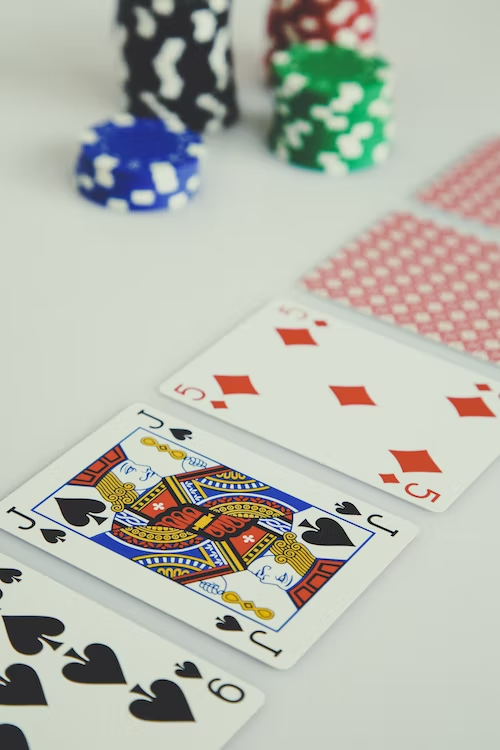
While the allure of high-stakes gambling is evident in the lives of many celebrities, it is crucial to promote responsible gambling practices. As influential figures, celebrities have the power to set positive examples for their fans. By openly discussing the risks associated with gambling, they can encourage more prudent behavior and provide a realistic perspective on the consequences of excessive risk-taking.
Efforts to increase awareness about responsible gambling can also help mitigate the potential negative effects of celebrity gambling culture. Collaborations between celebrities and organizations focused on responsible gaming can foster a more educated public. By highlighting the importance of moderation and self-control, they can help shift the narrative around gambling from one of glamorization to one of caution and mindfulness.
Ultimately, the impact of celebrity culture on gambling behaviors cannot be underestimated. The responsibility lies not only with the individual celebrities but also with the industries that profit from gambling. By prioritizing responsible gambling and making informed choices, both celebrities and fans can create a healthier gambling environment, ensuring that the thrill does not overshadow the potential risks involved.
