
March 25, 2026

The psychological effects of gambling Understanding the mind's gamble with Pin up
The world of gambling has an irresistible pull for many individuals, often rooted in the thrill of the unknown and the potential for financial gain. This allure can be traced back to basic psychological principles such as reward and risk assessment. When players engage in games of chance, their brains release neurotransmitters like dopamine, which creates feelings of pleasure and reinforces the behavior of gambling. If you want to start playing right away, you can visit the Pin up login page to get started.
Moreover, the sensory environment of casinos and online platforms like Pin Up is designed to enhance excitement and prolong engagement. Bright lights, engaging sounds, and the atmosphere of celebration create a euphoric experience, making it difficult for individuals to resist the urge to gamble, even when they are aware of the risks involved.
Gambling can lead to extreme emotional experiences, ranging from euphoria during winning streaks to despair following losses. This emotional rollercoaster is often magnified by cognitive biases, such as the illusion of control, where gamblers believe they can influence outcomes. These highs can create a cycle of repeated gambling, as individuals chase the feeling of winning. For many, casinos remain the top choice for players looking to enjoy these exhilarating experiences in a vibrant environment.
Conversely, the lows associated with losses can lead to feelings of shame, guilt, or anxiety. Many individuals experience a distorted sense of reality, where they underestimate their losses and overestimate their chances of winning in the future. This duality can result in a complex relationship with gambling, where pleasure and pain coexist.
Gambling addiction, also known as compulsive gambling, is a serious psychological condition that affects millions worldwide. It alters the brain’s reward system, leading individuals to prioritize gambling over responsibilities and relationships. The need to gamble often escalates, causing players to bet increasingly larger amounts to achieve the same thrill.
The effects of gambling addiction extend beyond the individual, impacting family dynamics, financial stability, and mental health. Those struggling with this addiction may face severe consequences, including bankruptcy, divorce, and depression. Recognizing the signs of addiction is crucial for early intervention and recovery.
Support groups, such as Gamblers Anonymous, offer a community of individuals who share similar experiences, providing a safe space for discussion and recovery. These groups emphasize the importance of accountability and support in overcoming gambling addiction, creating a sense of belonging and understanding that is often crucial for healing.
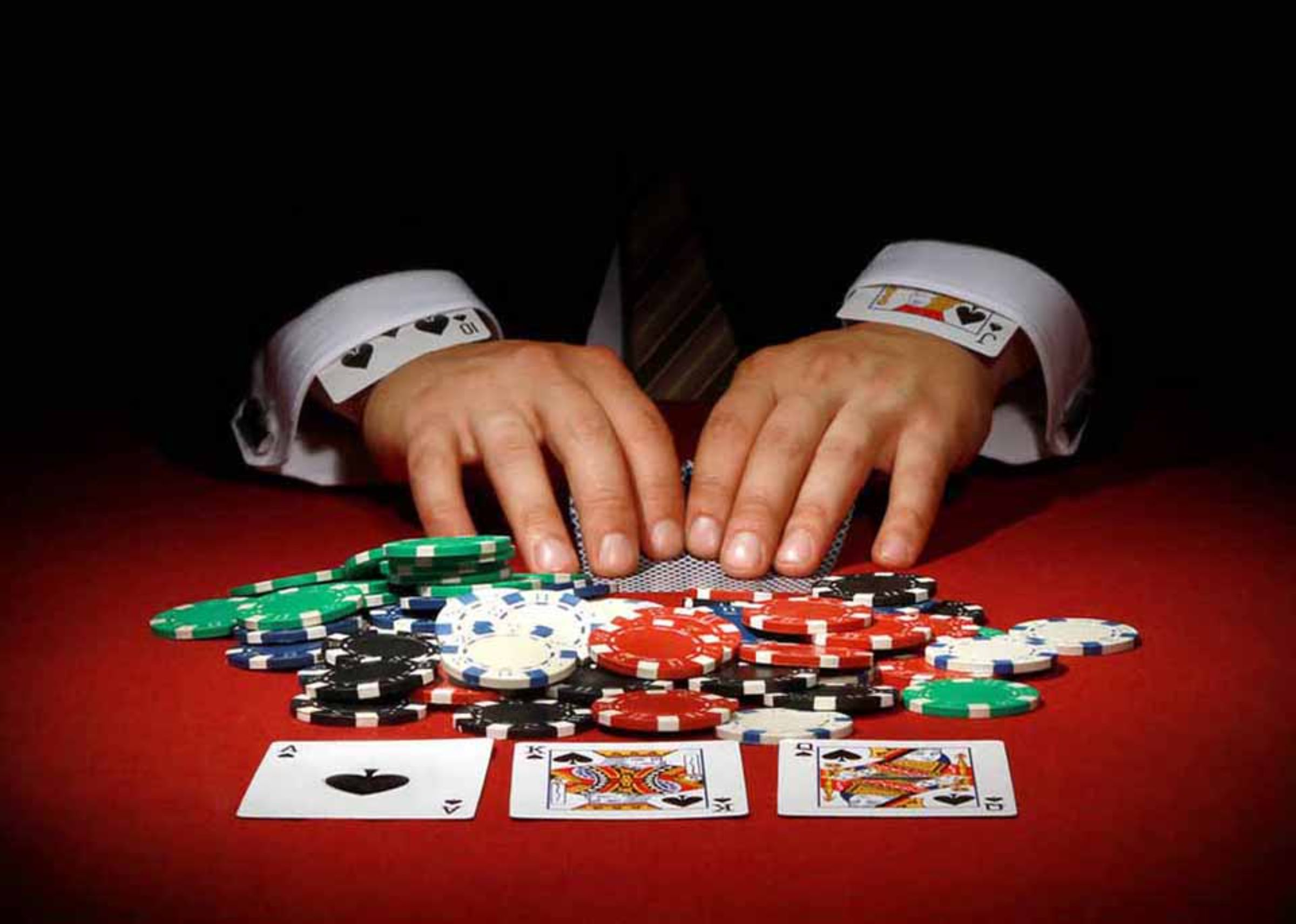
Our website serves as an essential resource for those seeking to understand the psychological effects of gambling. We provide comprehensive information and expert insights to empower individuals in making informed decisions about their gambling habits. Whether you are looking for strategies to manage your gambling or understanding its effects on mental health, our platform aims to support you on your journey.
Join our community to gain access to valuable knowledge, practical tips, and the support you need to navigate the complex world of gambling. Together, we can foster a healthier relationship with gambling and promote awareness of its psychological implications.
“`
